

Your health plan is here to support you in everyday life, not just when you are sick. That means helping you stay healthy, understand your benefits, and get support when something feels confusing or hard to manage.
In this issue, you’ll find information about tools that help manage ongoing health conditions, services that support children’s health, and free programs in the community. You’ll also see what to do if a service is denied and where to turn for help with basic needs like food or housing when health and life challenges overlap.
Your care team and health plan are here to help you understand your options and take the next step that makes sense for you.
If an article in this newsletter applies to you or your family, reach out to your provider or care team to learn more. If you have questions about your benefits or need help deciding where to start, customer care can help.
When you are sick or need care, it can be hard to know where to go. Choosing the right place can help you get care faster and avoid extra stress.
Your primary care provider is the best place to start for most health needs.
Go to primary care for:
Your primary care provider knows you and helps coordinate your care.
Urgent care is for health problems that need attention quickly but are not life-threatening.
Go to urgent care for:
Urgent care can often see you faster than a doctor’s office.
The emergency room is for serious or life-threatening problems.
Go to the emergency room or call 911 for:
If you think it is an emergency, do not wait.
If you are not sure where to go:
Both services are free for members and can help you decide what to do next.
Get a Ride
Umpqua Health Alliance members can get free rides to covered medical, dental, mental health and pharmacy visits. You can schedule a ride online or by phone.
Find an Interpreter
Language should never be a barrier to care. You have the right to a qualified medical interpreter at no cost to you.
If you need help setting up a ride or interpreter, call Customer Care before your appointment.
Immunizations, also called vaccines or shots, help protect children from serious illnesses. These illnesses can spread easily and may cause long-term health problems.
Vaccines have been studied for many years and are carefully checked for safety. For most children, the risk of getting sick from a disease is much higher than the risk of getting a vaccine. If you have questions about vaccine safety, your child’s provider is the best person to talk with.
Immunization rules may feel confusing. Oregon shares clear and trusted information to help families understand what their children need and when.
In Oregon, school immunization requirements have not changed for the 2025–26 school year.

Oregon law requires children to be up to date on immunizations to attend school or child care. This includes catching up on missed vaccines when needed.
The Oregon Health Authority follows guidance from trusted medical experts and supports vaccine recommendations from:
Ask your child’s doctor if your child is up to date on required immunizations.
Some vaccines are not required for school, but doctors still recommend them to help protect children and teens from serious illness.
Pneumococcal (PCV) vaccine
Helps protect babies and young children from infections like pneumonia and blood infections. It is given in four doses at 2, 4, 6, and 12–15 months of age.
HPV vaccine
Helps protect against certain cancers later in life. It works best when given at the recommended age. Doctors often recommend starting between ages 9 and 12.
Meningococcal vaccine
Helps protect teens from serious infections of the brain and blood. It is given in two doses, one at ages 11–12 and a booster at age 16.
Your child’s provider can explain which vaccines are recommended based on age and health needs.
Children can get immunizations at:
If you have questions, talk with your child’s provider or call Douglas Public Health Network at 541-440-3571.
Immunizations are a covered benefit for Umpqua Health Alliance members and are available at no cost.
A continuous glucose monitor, or CGM, is a small device you wear on your body. It checks your blood sugar day and night and sends the numbers to a phone or reader. You may not need to poke your finger as often.
A CGM can show patterns over time and warn you if your blood sugar gets too high or too low. This can help you manage diabetes more safely.
CGMs need pre-approval before you can get one. Your provider starts this process and will let you know if a CGM is right for you.
Your provider will review your health needs to see if a CGM is a good fit.
You may qualify if you have:
Type 1 diabetes and at least one of these:
Or Type 2 diabetes and:
If your provider requests and receives approval for a CGM, they will help you get started and show you how to use it.
To keep using a CGM, your provider will:
You can get a CGM from:
To see which drugs are covered, visit the Umpqua Health Alliance website and select Find a Drug.
If a service or request is denied, you have the right to ask for an appeal. An appeal is a review of the decision to see if it should be changed.
You have 60 days from the date on your denial notice to ask for an appeal. You can ask for an appeal yourself, or your provider can help you.
You can request an appeal in any of the ways below. Choose the option that works best for you.
By phone

In writing
Your provider can help you file an appeal by filling out the OHP 3302 form and having you sign it.
If your provider sends the form without your signature, a member of the appeals team will contact you to ask for your permission to move forward.
What Happens After You Appeal
Your appeal will be reviewed by a different reviewer and medical director than the ones who made the original decision.
After the review, a decision will be made to either:
You and your provider will both be told about the decision.
Some members may be able to get short-term help with rent or utility bills through the Health-Related Social Needs (HRSN) program. This support is meant to help during serious health or life challenges.
As of January 1, 2026, the Oregon Health Authority updated the rules for this benefit. The rules are now stricter so help can go to members with the greatest need.
Your provider or care team can help you understand if this support may be available to you.
This benefit has limits. Knowing them upfront can help avoid confusion.
These rules apply to all members who receive HRSN housing support.
If you are having trouble paying rent or utilities and this is affecting your health, talk with your provider or care team. They can help review your situation and explain next steps.

Medically tailored meals are special meals made to support people with certain health conditions. These meals are designed to match your medical and nutrition needs and can help improve your health.
Members who qualify may receive up to three meals a day for up to six months.
To qualify for medically tailored meals, a member must:
Your provider or care team can help review these requirements with you.
If you think medically tailored meals could help your health, talk with your provider about this benefit. You may also apply if you believe your health condition could be improved with these meals.
There are several ways to get support:
More information and applications are available on the Umpqua Health Alliance website under Health-Related Social Needs (HRSN).
Palliative care helps people living with serious or complex health conditions manage symptoms, reduce stress, and get support with day-to-day needs. This care works along with the care you already receive from your doctors.
Umpqua Health Alliance offers palliative care services for eligible members. Care may be provided in the home or by phone and focuses on helping you feel as well as possible while keeping your care connected.
Palliative care is available to members at no cost when criteria are met. To learn more about palliative care services and who may qualify, visit the Palliative Care page
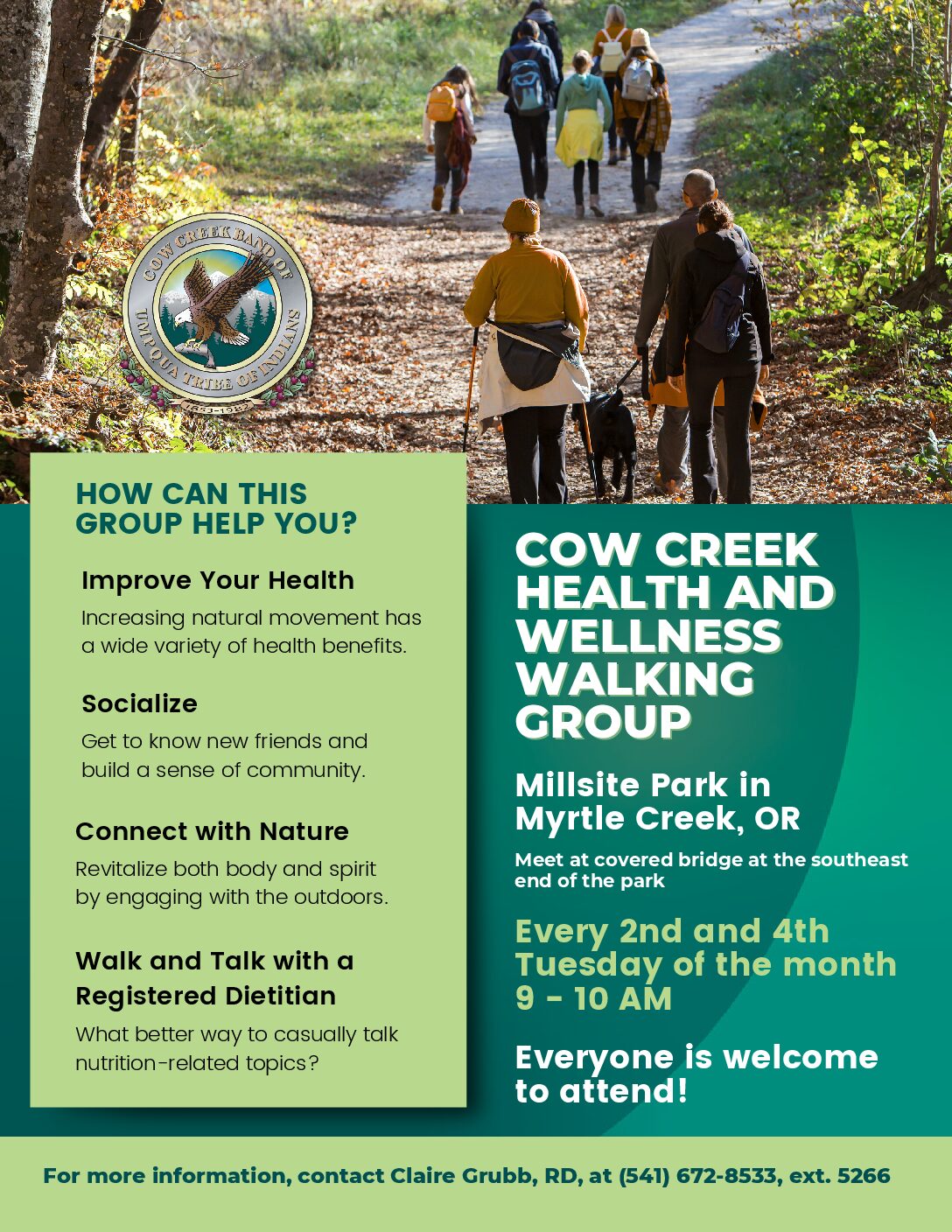
Get moving with others in a welcoming, outdoor walking group. This free group supports physical health, connection with others and time in nature. A registered dietitian is available to answer nutrition questions during the walk.
Everyone is welcome.
Build confidence making healthy food choices during a guided grocery store tour. Learn practical tips for shopping on a budget and choosing foods that support your health.
Call to sign up or learn more.

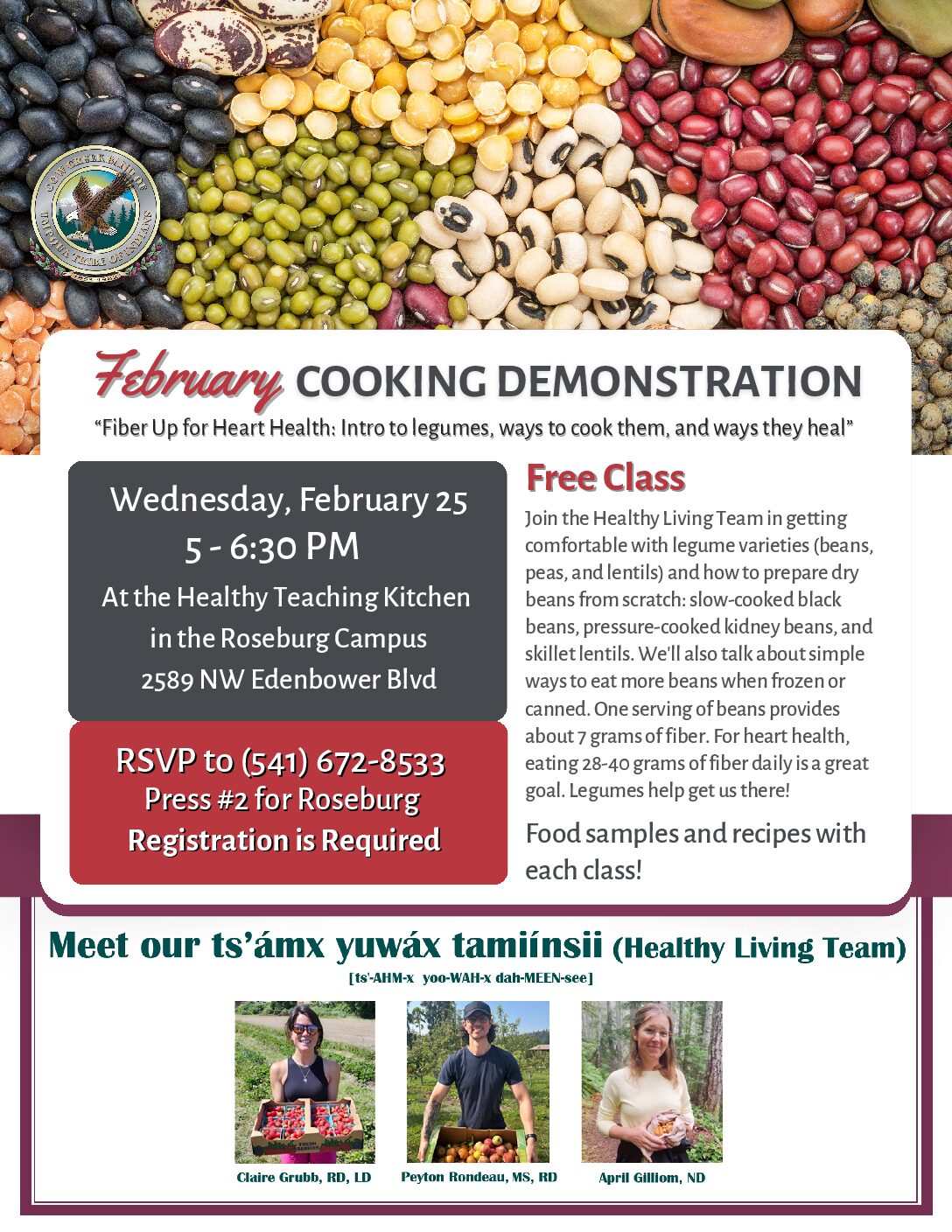
Learn easy ways to cook with beans, peas and lentils and how they support heart health. This free class includes simple tips, food samples and recipes you can try at home.
Registration is required.
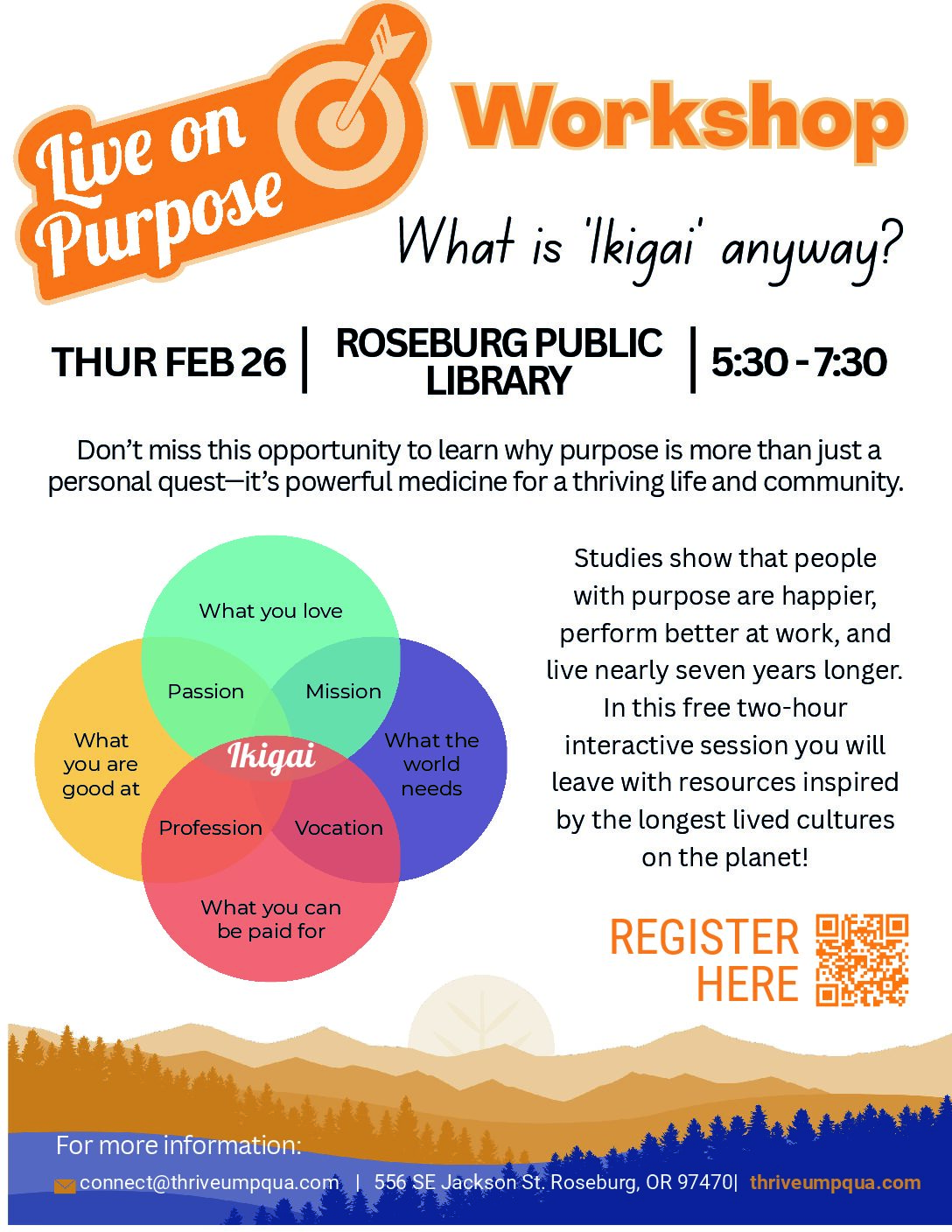
Join a free workshop that explores how having a sense of purpose can support health and well-being. You’ll learn simple ideas inspired by long-living cultures and leave with tools you can use in everyday life.
Learn more or register online.

Your member benefits page is a helpful place to learn more about your health plan and the services available to you.
You can use this page to:
You can visit the member benefits page anytime to explore your coverage and support options.


