

Umpqua Health Alliance (UHA) Care Coordination provides support for members whose needs extend beyond a clinical visit. Our multidisciplinary team of registered nurses, social workers, respiratory therapists and care navigators works with members to develop personalized care plans, understand health conditions, manage medications, coordinate appointments and connect members with valuable community resources such as food, housing, transportation and other social supports.
To ensure referrals are received and processed promptly, please use the Umpqua Health Alliance Case Management Referral Form.
Submit completed referrals using one of the following options:
To help ensure referrals are routed quickly and accurately, please do not email or call individual Care Coordination staff directly. Using the official referral process allows the Care Navigation Team to review, prioritize and route each referral to the appropriate team member.
Referrals are processed most efficiently when they include:
Once received, referrals are reviewed by our Care Navigation Team and assigned to the most appropriate care coordination staff member based on the member’s identified needs. A member of the Care Coordination team will contact the member within 24 hours of referral receipt to complete a Health Risk Assessment and begin addressing identified needs. Referring providers will also receive confirmation that their referral has been received within 24 hours. Providers seeking ongoing updates may contact the Care Coordination Department through Umpqua Health Alliance Customer Care.
Depending on the member’s needs, support may be provided through:
Our team determines the most appropriate level of support based on the member’s physical health, behavioral health, dental and social needs.
Providers do not need to determine whether a member qualifies for care coordination services before submitting a referral. If a member may benefit from additional support, please refer them. Members may also complete a Health Risk Assessment online at umpquahealth.com. The assessment helps identify areas where additional support may be beneficial; a care coordination staff member will follow up directly once it’s received.
Questions? For referral assistance or staff training on the referral process, contact Umpqua Health Alliance Care Coordination at 541-229-4842 or CaseManagement@umpquahealth.com.
Umpqua Health Alliance knows that staying healthy is about more than doctor visits — it also depends on having food, a safe place to live and being ready for extreme weather. Oregon Health Plan members may qualify for extra support at no cost through Umpqua Health Alliance’s health-related social needs benefits, which include:
Members who aren’t sure where to start don’t have to figure it out alone. Encourage them to call Umpqua Health Alliance Customer Care at 541-229-4842, toll-free 866-672-1551, or TTY 711, and ask for a Care Coordinator, or to talk with their community health worker.

This month, we’re highlighting Cecelia “CeCe” Lynn (she/her), a dedicated Traditional Health Worker at Evergreen Family Medicine. CeCe serves as a Community Health Worker (CHW), Doula and Personal Health Navigator (PHN) and has been supporting community members as a CHW for five years and as a doula for four years.
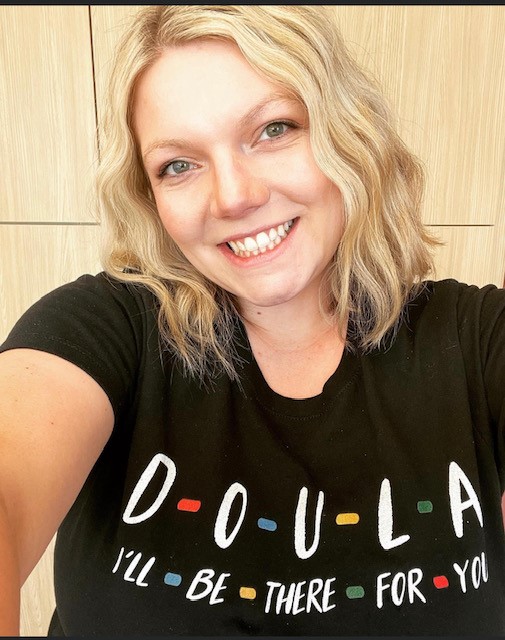
While becoming a CHW was initially an opportunity presented by her supervisor, CeCe quickly recognized that the work aligned with the support she was already providing in the clinic. Her journey to becoming a doula was more intentional and deeply personal. During her training, she experienced what she describes as an aha moment, realizing she had found the career path she was meant to pursue.
One of CeCe’s favorite aspects of being a THW is the opportunity to help individuals through different seasons of life while connecting them with valuable community resources and partners. She prides herself on being compassionate, approachable, motivated, and willing to take the time needed to support those she serves.
Like many THWs, CeCe faces challenges in her role when community members encounter barriers or struggle to follow through on available resources and programs. She notes that housing instability, financial hardship, transportation issues and access to information are among the most common barriers affecting the people she serves.
When asked what advice she would offer fellow THWs, CeCe emphasized the importance of self-care and peer support. Her recommendation: Don’t underestimate the value of taking care of yourself and finding another THW to connect with, share ideas and learn from along the way.
Thank you, CeCe, for your commitment to supporting individuals and families throughout Douglas County and for the compassion and dedication you bring to your work every day.

Backlogs and behind-schedule days are common frustrations in outpatient practices. The American Medical Association’s STEPS Forward toolkit on wave scheduling walks through an appointment model that maximizes clinic capacity and flexibility while reducing the likelihood that a physician falls behind, helping practices accommodate more same-day and next-day patient needs.
Access the toolkit: Wave Scheduling: Optimize Clinic Flexibility and Efficiency
NEON is offering a new online palliative care training designed to build the knowledge, skills and confidence to provide compassionate, person-centered support. The course is ideal for health care professionals, caregivers, volunteers and anyone supporting individuals living with serious illness. It explores the principles of palliative care, advance care planning, caregiver support and compassionate communication, giving participants practical tools to help individuals and families navigate serious illness with dignity, comfort and understanding.
Participants will learn how to explain the benefits of palliative care and hospice, support symptom management and quality of life, recognize signs of caregiver burnout and isolation, use active listening to foster trust and connection, and understand the role of culture and spirituality in illness, dying and grief.
When: Starts Oct. 14, 2026. Four-week series of 1.5-hour group discussion sessions, offered online.
The training is offered under a licensing agreement from The Peaceful Presence Project. For more information, contact Kinda Cable at kcable@neonoregon.org. For scholarship opportunities, contact Stepha Dragoon at dragoon@ohsu.edu.
This free virtual symposium examines the intersection of physical disability and behavioral health. It’s intended for anyone who works with people with physical disabilities or who has a physical disability. Participants will learn about the prevalence and behavioral health impacts of physical disabilities, explore barriers and roadblocks to accessing behavioral health care, and learn about federal, state and local programs and policies. ASL interpretation and CART captioning will be provided.
When: Tuesday, Oct. 13, 2026, 1 to 4 p.m., via Zoom webinar.
Presented in partnership with the Oregon Health Authority, Oregon Department of Human Services Aging and People with Disabilities, the Disability Health and Employment Equity Coalition, and the Oregon Disabilities Commission.
Click Here to Register

The Human Papillomavirus (HPV) vaccine is less commonly received compared with other adolescent vaccines, despite its protection against over 90% of HPV-related cancers (American Cancer Society, 2026). A recommendation from you, as their health care provider, is the No. 1 predictor that someone will receive the HPV vaccine (AAP, 2025).
Starting the HPV vaccine series at age nine — or at least starting conversations with patients and their guardians about the vaccine — has many benefits. It allows for more time to complete the series, decreases the number of vaccines required, and focuses the message on cancer prevention, to name a few (American Cancer Society, 2026). Providers in states such as our neighboring Washington have found success with this approach, leading to increased HPV vaccination rates and protection for their patients (Zorn et al., 2023).
For questions about your clinic’s HPV vaccination rates and/or support on workflows for the HPV at Nine initiative, contact the Umpqua Health Alliance Quality Team at UHQualityImprovement@umpquahealth.com.
American Academy of Pediatrics. (2025, October). How Pediatricians Can Recommend HPV Vaccination to Parents and Caregivers. American Academy of Pediatrics. aap.org/en/patient-care/immunizations/human-papillomavirus-vaccines/how-to-recommend-hpv-vaccination/
American Cancer Society, Inc. (2015). Steps for Increasing HPV Vaccination in Practice: An Action Guide to Implement Evidence-based Strategies for Clinicians. HPV Vaccinate Adolescents against Cancers (VACs), American Cancer Society.
American Cancer Society, Inc. (2026). Start at Age 9 Toolkit. National HPV Vaccination Roundtable, American Cancer Society.
Zorn, S., Darville-Sanders, G., Vu, T., Carter, A., Treend, K., Raunio, C., and Vasavada, A. (2023). Multi-level quality improvement strategies to optimize HPV vaccination starting at the 9-year well child visit: Success stories from two private pediatric clinics. Human Vaccines & Immunotherapeutics, 19(1).
Biosimilars are FDA-approved biologic medications that are highly similar to an existing FDA-approved biologic, known as the reference product. Biosimilars have no clinically meaningful differences from the reference product in safety, purity or effectiveness and can offer a more cost-effective treatment option.
Umpqua Health Alliance continues to promote the use of clinically appropriate, cost-effective biosimilars when available. For select biologic medications, Umpqua Health Alliance has identified preferred biosimilar products on the formulary. Providers are encouraged to prescribe the preferred product for new starts whenever clinically appropriate. At renewal, members currently receiving a nonpreferred product may also be asked to transition to the preferred biosimilar.
Prior authorization requests will continue to be reviewed using applicable clinical criteria. If there is a clinical reason a member cannot use the preferred product — such as a documented contraindication, adverse reaction, previous treatment failure or administration concern — providers may submit supporting documentation for consideration of an exception.
When transitioning therapy, providers should also consider specialty pharmacy requirements, prescription coordination, member education and shipping timelines to help prevent interruptions in treatment. For questions about preferred products, prior authorization requirements or specialty pharmacy access, contact Umpqua Health Alliance Pharmacy Services at UHPharmacyServices@umpquahealth.com.

Community programs offer a practical way to bridge clinical guidance with daily routines. The ongoing activities described here are free, locally available and designed for consistent participation. These options can be aligned with care plans when community-based support is appropriate.
Ongoing yoga sessions focused on mobility, breathwork and stress reduction. Suitable for all levels. No registration required.
Monthly restorative yoga session focused on relaxation and stress reduction.
Weekly group walks led by a local medical provider. Open to all fitness levels. No registration required.
Monthly community event featuring art activities and games for all ages.
The Cow Creek Health and Wellness Center’s Healthy Living Team, ts’ámx yuwáx tamiínsii, is hosting two free events in September and October focused on healthy eating and diabetes prevention, alongside its ongoing Diabetes Prevention Program. Registration is required for the cooking demonstration and grocery tour, and all three are good options to mention to patients working on nutrition and diabetes goals.
September Cooking Demonstration: “Plant-Based Snacks from Around the World.” Join the Healthy Living Team for whole-food snack recipes aligned with Native Nutrition Principles that may help support balanced blood sugar and overall health. The class features snacks from Korea, Pakistan, Mexico and the Cow Creek Band of Umpqua Tribe of Indians made with ingredients that can be found locally. Food samples, recipes and gifts come with each class. Two sessions are offered: Wednesday, Sept. 30, 5 to 6:30 p.m. at the Healthy Teaching Kitchen, 2589 NW Edenbower Blvd., Roseburg, and Thursday, Oct. 1, 2 to 3 p.m. at the CCH&WC South Campus, 480 Wartahoo Lane, Canyonville. RSVP to 541-672-8533 and press 2 for Roseburg.
Grocery Shopping Tour. Join the Healthy Living Team in navigating toward foods that help prevent or manage diabetes. Together, participants will spot xumá ts’ámx (healthy foods) and share simple ways to design snacks and meals. The dietitian-recommended, longevity-focused tour takes place Tuesday, Sept. 29, 1 to 2 p.m. at Sherm’s Thunderbird Market in Roseburg. To sign up or learn more, contact the Roseburg Cow Creek Health and Wellness Center front desk at 541-672-8533, option 2.
Diabetes Prevention Program. This ongoing, scientifically proven program pairs socially supportive groups with certified lifestyle coaches to help prevent type 2 diabetes. It includes cooking demonstrations and recipe samples, plus a broader range of lifestyle strategies beyond nutrition. Patients can take an online risk quiz and sign up for an upcoming group by calling 541-672-8533 or emailing info-healthyliving@cowcreek-nsn.gov.
If you have questions, would like printed flyers for your office or want the latest program details, please contact Dani Everson, Population Health Program Manager, at deverson@umpquahealth.com.
The Douglas System of Care invites providers and community partners to a free breakfast focused on connection and collaboration across Douglas County’s family-serving programs. The morning will feature presentations from Family Connects Oregon-Nurse Home Visiting, Healthy Families of Douglas, Klamath and Lake Counties, and UCAN Early Learning Programs, with free food and time built in for conversation.
When: Wednesday, Sept. 30, 2026, 9 a.m.
Where: Ford Family Foundation Conference Center.
Space is limited; register online. Hosted by System of Care Douglas in partnership with the Ford Family Foundation and Douglas Education Service District.
Click Here to Register

The following providers have been removed from the Umpqua Health Alliance network:
| Provider Name | Effective Date | Facility |
|---|---|---|
| Tammy Wiscovitch, RD | 07/31/26 | PeaceHealth – Cottage Grove |
| Evan Tavakoli, MD | 06/11/26 | PeaceHealth – Florence Orthopedics |
| Robert Heist, DDS | 07/21/26 | Aviva Health Dental Clinic – Roseburg |
| Kira Lathrop, LPC | 08/06/26 | Adapt Integrated Health |
| Jessica Lewis, MSN, FNP | 08/01/26 | Boulder Care |
| Andrea Davis, CHW | 02/12/26 | Evergreen Family Medicine – Edenbower |
| Wade Fox, DO | 08/04/26 | Adapt Integrated Health – SUD Division |
| Tasha Branch, CSWA | 08/07/26 | Adapt Integrated Health – MH Division |
| Jessica Cislo, QMHP-C | 08/07/26 | Adapt Integrated Health – MH Division |
| Jacqueline Johnson, DO | 08/29/26 | Evergreen Family Medicine South |
| Sonya Byrd, QMHR-R | 01/02/26 | Valley View Mental Health Counseling |
| Nicole Romero, MA | 06/18/26 | Valley View Mental Health Counseling |
| Haley McGee, LPCA | 08/14/26 | Valley View Mental Health Services |
| Garrett Brady, PAC | 08/17/26 | PeaceHealth Cottage Grove |
| Alan Fischel, MD | 08/18/26 | CEP America – Anesthesia PC |
| Jonathan Force, MD | 08/18/26 | CEP America – Anesthesia PC |
| Matthew Harrison, MD | 08/18/26 | CEP America – Anesthesia PC |
| Shannon Meron, MD | 08/18/26 | CEP America – Anesthesia PC |
| Grayson Carter, DO | 08/24/26 | PeaceHealth – Cottage Grove |
| Rachelle Ellery, LMFT | 08/27/26 | Adapt Integrated Health – MH Division |
| Cyril Kuriakose, MD | 03/31/26 | Centennial Kidney Associates |
| Amanda Allen, QMHA-R | 08/31/26 | Oregon Outreach Clinic |
| Robin Fox, PAC | 08/27/26 | PeaceHealth Cottage Grove Community Medical Center |
| Julie TenBrook, NP | 08/14/26 | PeaceHealth IRIS BH Florence & PeaceHealth Medical Group – Cottage Grove |
The following providers have joined the Umpqua Health Alliance network:
| Provider Name | Effective Date | Facility |
|---|---|---|
| Ryan Brzycki, DO | 07/26/26 | PeaceHealth – Cottage Grove Emergency Medicine |
| Oliver Ezell, MD | 07/28/26 | PeaceHealth – Cottage Grove Emergency Medicine |
| Morgan Bowden, PAC | 08/30/26 | Evergreen Family Medicine – North Urgent Care |
| Sharen Strong, DMD | 07/23/26 | Advantage Dental – Reedsport |
| Viseh Sundberg-Morarekhi, DDS | 07/14/26 | Aviva Health Dental Clinic – Roseburg |
| Lisa Di Tomaso, DO | 08/05/26 | PeaceHealth Medical Group – Cottage Grove |
| Daniel Sprague, MD | 08/11/26 | PeaceHealth Medical Group – Cottage Grove |
| Ryan Walker, PA-C | 08/11/26 | PeaceHealth Medical Group – Cottage Grove |
| Robin Kenning, APN | 07/28/26 | CEP America Roseburg – Mercy Medical Center Emergency |
| Cristina Coffman, QMHP-Cert | 08/04/26 | Adapt Integrated Health – MH Division |
| August Stuppy, DO | 08/11/26 | Adapt Integrated Health – Primary Care |
| Rylee Fonseca, MFTA | 08/18/26 | Bridges Community Health |
| Paulette Hawthorne, LCSW | 08/18/26 | Cow Creek Health & Wellness |
| Emma Hirsch | 08/18/26 | Bridges Community Health |
| Hannah Kimble | 08/18/26 | Bridges Community Health |
| Pamela Miner, MD | 08/18/26 | Housecall Providers Advanced Illness Care |
| Marissa Noot, MPAS | 08/18/26 | Valley Ridge Family Medicine |
| Madeline Peara | 08/18/26 | Bridges Community Health |
| Maribel Ramirez, LPC | 08/18/26 | Liberation Pathways LLC |
| Jason Tate | 08/18/26 | Better Live Intellective |
| Mackenzy Whetzel, PSS | 08/18/26 | Cow Creek Health & Wellness |
| Erica Abercrombie, MS | 08/18/26 | Bridges Community Health |
| Leisa Craig, LPCA | 08/18/26 | Bridges Community Health |
| Amy Long, NP | 08/18/26 | Housecall Providers Advanced Illness Care |
| Amy Hinshaw, NP | 08/24/26 | PeaceHealth Medical Group – Florence Emergency Medicine |


The substance use landscape continues to evolve. Alongside traditional substances such as opioids, stimulants and alcohol, health care providers may encounter retail drugs, which are psychoactive products available through convenience stores, smoke and vape shops, supplement retailers and online marketplaces.
These products can be challenging to identify because they may be marketed as natural, herbal, dietary, wellness, energy or mood-enhancing products. Patients may not consider their use to be substance use and may not mention them unless specifically asked. Marketing of these products includes bright colors, fruit flavors, candy-like formats, appealing names and wellness-oriented language that can make them appear less risky and more appealing to youth.
Examples include kratom and concentrated 7-hydroxymitragynine (7-OH), tianeptine, phenibut and nitrous oxide. These substances have different effects and risks, and product potency and composition can vary. Some products contain concentrated extracts that may produce significantly stronger effects than traditional plant-based products. Products may also contain multiple active ingredients or substances that are not clearly identified on the label.
Regulation varies by substance and jurisdiction. Oregon law prohibits retailers from selling, distributing or offering kratom products to people younger than 21 and nitrous oxide to those younger than 18. There is currently no regulation on tianeptine or phenibut.
Availability in a retail setting does not necessarily mean a product has been proven safe or effective. Retail drugs can cause intoxication, dependence, withdrawal, medication interactions and other serious adverse effects.
Several emerging products also interact with the opioid system. Kratom compounds, particularly 7-OH, interact with opioid receptors and can produce opioid-like effects such as pain relief, euphoria, relaxation and sedation. Tianeptine also activates opioid receptors. Repeated use can lead to tolerance, physical dependence, withdrawal and, for some individuals, a substance use disorder.
Not all emerging retail drugs are opioid-like. Phenibut has effects similar to benzodiazepines such as Valium or Xanax. Nitrous oxide, often known as laughing gas, can have long-term risks such as depletion of vitamin B12, which is essential for healthy nerves and blood cells.
Clinical effects vary by substance, dose, frequency of use and co-use with other substances. Possible presentations include:
If a patient is unresponsive or has difficulty breathing and the substances involved are unknown, administer naloxone if available and call 911. You do not need to know which substance was taken before administering naloxone. Naloxone may not reverse toxicity from non-opioid substances, but these products may contain opioids or opioid-active compounds, may be used with opioids, or may be mislabeled. When opioid exposure is possible, administering naloxone should not be delayed while trying to identify the substance.
Consider incorporating retail drug use into routine substance and medication histories. Questions might include:
A nonjudgmental approach can help patients feel comfortable discussing products they may not consider medications or substances.
Patients experiencing cravings, tolerance, withdrawal, difficulty cutting back or continued use despite negative consequences may benefit from professional support. Depending on the substance and pattern of use, medical guidance may be appropriate when reducing or stopping. Recognizing retail drug use provides an opportunity to identify potential health risks, address substance use early and connect patients with appropriate treatment and support.
New products and formulations can emerge quickly. Recognizing the possibility of these substances and asking the right questions can make an important difference in providing safe, informed and comprehensive care.
For more information, contact kim@douglaspublichealthnetwork.org or kendra@douglaspublichealthnetwork.org.


Scheduling routine care shouldn’t be a hassle for patients. Advantage Dental has published a short guide to scheduling a dental appointment, including what first-time patients can expect at a visit.


